 eSIM
eSIM Countries
eSIM Coverage in 10 European Countries
Network quality ratings, carrier information, and connectivity notes for major European destinations.
A structured, unbiased reference for travelers, digital nomads, and anyone curious about how eSIM works — from the basics to advanced European coverage.

Complete explanation of how eSIM works, activation steps, and plan selection.
Which phones, tablets, and laptops support eSIM. Sorted by brand and model.
Network quality, eSIM support, and connectivity data for 10 European countries.
Answers to the most common questions about eSIM technology and travel use.
An eSIM (embedded Subscriber Identity Module) is a programmable SIM card built directly into a device's circuit board. Unlike a traditional physical SIM card that you insert and remove, an eSIM is permanently soldered into the device and its carrier profile is loaded digitally.
The GSMA (Global System for Mobile Communications Association) standardized the eSIM specification, meaning eSIM profiles from different carriers are interoperable across all compliant devices. This standardization is what makes it possible to switch carriers without touching the hardware.
For travelers, the practical implication is straightforward: instead of purchasing a physical SIM card at each destination, you download a carrier profile remotely — typically by scanning a QR code — and the process takes under five minutes.
| Feature | eSIM | Physical SIM |
|---|---|---|
| Installation | Digital download (QR code) | Physical insertion |
| Carrier switching | Instant, no hardware change | Requires new card |
| Multiple profiles | Yes (stored simultaneously) | One per slot |
| International travel | Download plan before departure | Buy card at destination |
| Risk of loss | None (embedded) | Can be lost or damaged |
| Device compatibility | Requires eSIM-capable device | Universal (with SIM slot) |
| Activation time | 2–5 minutes | Instant (once inserted) |
| Cost | Varies by provider | Varies by carrier |
A simplified overview of the technical process behind eSIM profile installation.
Select a plan from an eSIM provider. Complete payment online.
Provider emails a QR code containing the profile download URL.
Device contacts the SM-DP+ server and downloads the encrypted profile over Wi-Fi.
Profile is securely stored in the device's eUICC chip. Ready to activate.
Enable the profile in cellular settings. Device connects to the carrier network.
Countries
Network quality ratings, carrier information, and connectivity notes for major European destinations.
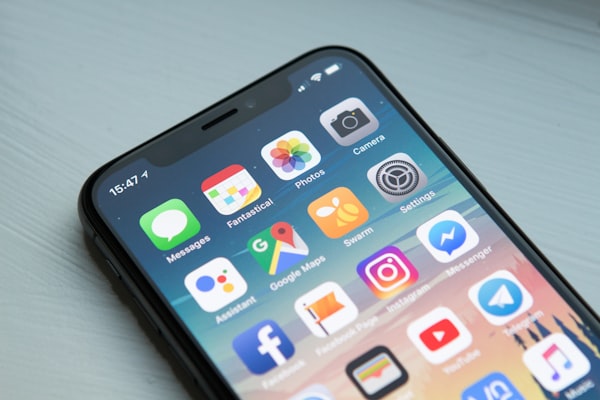 Devices
iPhone, Samsung, Pixel, and more — a structured reference for eSIM hardware support across all major brands.
 Guide
Guide
From understanding the technology to choosing a plan and troubleshooting — everything in one structured guide.